
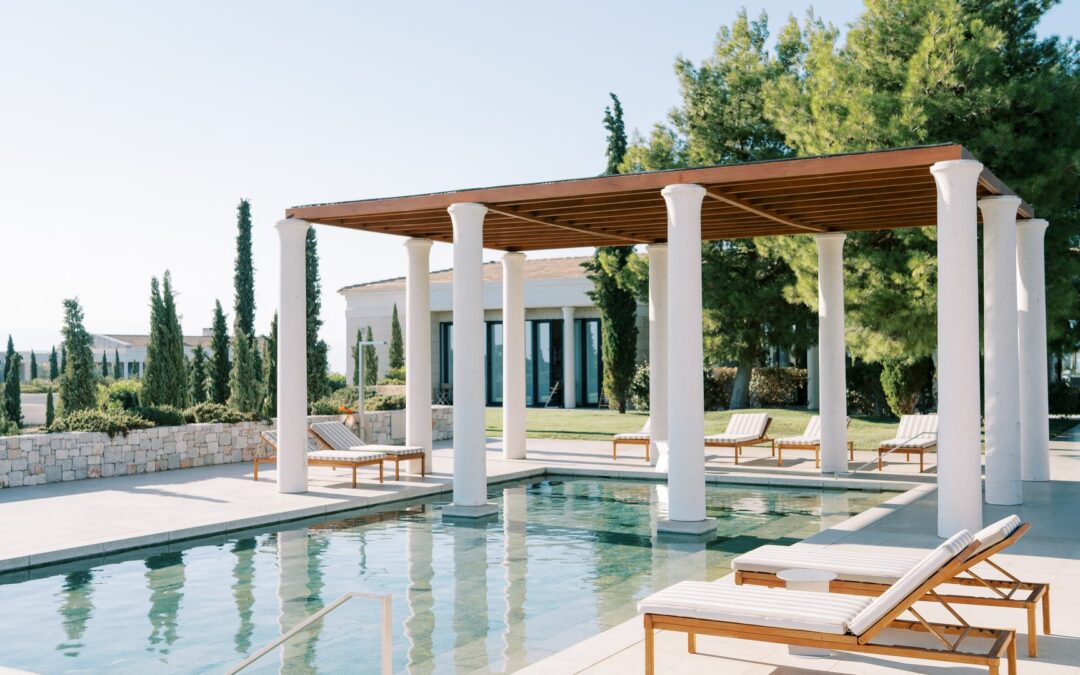
The Mediterranean style has captivated homeowners across the Southern United States for decades, and for good reason. There’s something undeniably romantic about the sun-drenched terraces of the Greek islands, the azure waters of the Italian Riviera, and the timeless elegance of Spanish courtyards. When it comes to pool design, Mediterranean styling offers a perfect marriage of luxury and comfort that feels both exotic and surprisingly at home in the Southern climate.
Having worked with countless homeowners who dream of bringing that European villa aesthetic to their backyard, I’ve learned that creating an authentic Mediterranean pool environment is about much more than just choosing the right tile color. It’s about understanding the cultural and architectural principles that make these spaces so compelling, then adapting those concepts to work beautifully with Southern living.
The beauty of Mediterranean pool design lies in its emphasis on outdoor living as an extension of the home. In the coastal regions of Spain, Italy, Greece, and Southern France, pools aren’t just places to swim – they’re the heart of social gatherings, intimate family moments, and daily relaxation rituals. This philosophy translates perfectly to the Southern lifestyle, where warm weather and outdoor entertaining are equally valued.
Understanding Authentic Mediterranean Design Elements
True Mediterranean pool design draws from centuries of architectural tradition that prioritized both beauty and functionality in warm climates. The style emerged from practical needs: creating cool, refreshing spaces that provided relief from intense summer heat while maximizing the enjoyment of mild winters. These same principles make Mediterranean pools ideally suited to Southern climates.
The color palette is perhaps the most recognizable aspect of Mediterranean design. Think of the deep blues of the Aegean Sea, the warm terracotta of Italian roof tiles, the creamy whites of Greek villages, and the golden yellows of Tuscan countryside. These colors aren’t just aesthetically pleasing – they’re deeply connected to the natural materials and landscape of the Mediterranean region. When adapting this palette for Southern pools, the key is choosing colors that complement your existing landscape while maintaining that distinctive Old World warmth.
Natural materials form the foundation of authentic Mediterranean pool design. Stone, particularly limestone, travertine, and natural slate, creates the weathered, timeless appearance that defines the style. These materials develop a beautiful patina over time, actually improving with age rather than deteriorating. In the Southern climate, where humidity and temperature fluctuations can be challenging for some materials, these natural stones prove remarkably durable and appropriate.
Water features play a crucial role in Mediterranean pool design, but they serve purposes beyond mere decoration. The sound of moving water was traditionally used to mask street noise and create a sense of tranquility. Fountains, spillways, and gentle waterfalls add both visual interest and practical benefits like improved circulation and aeration. The key is choosing water features that feel integrated into the overall design rather than added as afterthoughts.
Architectural Elements That Define the Style
Mediterranean pool areas are characterized by their strong architectural framework. Pergolas, colonnade, and covered loggias create defined spaces within the larger pool area, providing both shade and visual interest. These structures aren’t just decorative – they’re essential for creating the layered, room-like feeling that makes Mediterranean outdoor spaces so inviting.
Arched openings are a signature element that immediately signals Mediterranean influence. Whether incorporated into pool houses, outdoor kitchens, or simple decorative screens, arches add elegance and help define sight lines throughout the space. In Southern applications, these arches can frame beautiful views of gardens or distant landscapes while providing practical benefits like improved air circulation.
Tile work deserves special attention in Mediterranean pool design. Hand-painted ceramics, mosaic patterns, and decorative borders have been used for centuries to add color and personality to water features. The tradition of intricate tilework comes from Moorish and Byzantine influences, creating patterns that are both geometric and organic. When selecting tiles for a Southern Mediterranean pool, consider how the patterns will look both when wet and dry, and choose designs that complement rather than compete with the surrounding architecture.
Level changes and terracing are fundamental to Mediterranean design philosophy. Rather than creating one large, flat pool deck, Mediterranean-style pools typically feature multiple levels connected by steps and terraces. This approach not only adds visual interest but also creates distinct zones for different activities – sunbathing, dining, lounging, and swimming each have their designated areas.
Adapting Mediterranean Elements for Southern Climates
The Southern United States shares many climate characteristics with the Mediterranean region, but there are important differences that affect pool design decisions. Southern summers can be more humid and intense, while winters, though mild, can still bring occasional freezing temperatures that rarely occur in true Mediterranean climates.
Shade becomes even more critical in the Southern climate than in the Mediterranean. While a poolside pergola might provide pleasant dappled shade in coastal Spain, Southern pool areas often need more substantial coverage. The solution is to increase the scale of shade structures while maintaining Mediterranean proportions and details. Larger pergolas, extended roof overhangs, and strategically placed pavilions can provide necessary relief from intense Southern sun while preserving the open, airy feeling essential to the style.
Plant selection requires careful consideration when adapting Mediterranean design to Southern conditions. While olive trees, lavender, and rosemary might be the obvious choices for authenticity, they don’t always thrive in Southern humidity and soil conditions. The key is choosing plants that capture the Mediterranean aesthetic while being perfectly suited to your local climate. Southern magnolias can substitute for olive trees, providing similar silvery-green foliage and sculptural form. Native grasses can replace Mediterranean herbs while maintaining the same textural interest and low-water requirements.
Drainage and water management become more complex in Southern climates due to higher rainfall and humidity levels. Mediterranean pools traditionally rely on good drainage and dry conditions, but Southern installations need to account for occasional heavy rains and higher moisture levels. This might mean incorporating more substantial drainage systems, selecting materials that handle moisture well, and designing spaces that look beautiful even when wet.
Creating Authentic Color Schemes and Textures
The Mediterranean color palette is deeply rooted in the natural landscape and traditional building materials of the region. The key to successful adaptation is understanding not just which colors to use, but why they work so well together and how they interact with changing light throughout the day.
Pool finishes in Mediterranean designs traditionally favor natural tones that complement the surrounding stone and architecture. Deep blues and blue-greens create the illusion of natural swimming holes, while lighter blues and aquas maintain the bright, cheerful feeling associated with resort-style pools. The choice depends largely on the overall mood you want to create and how the pool color will work with your specific landscape and architecture.
Stone selections should prioritize authenticity and longevity over cost savings. Travertine, limestone, and natural slate not only look appropriate but actually improve with age and weather exposure. These materials develop a natural patina that enhances their beauty over time, whereas artificial alternatives often show wear and fading. In the Southern climate, these natural materials also provide practical benefits like heat reflection and slip resistance when wet.
Stucco and plaster finishes on surrounding walls and structures should reflect the handcrafted quality traditional to Mediterranean architecture. Smooth, machine-applied finishes look too modern and perfect for authentic Mediterranean styling. Instead, choose textured applications that show subtle hand-tool marks and slight irregularities that catch and play with light throughout the day.
Landscape Integration and Plant Selection
Mediterranean gardens are characterized by their use of drought-tolerant plants arranged in naturalistic groupings that provide year-round interest. The challenge in Southern adaptations is selecting plants that maintain this aesthetic while thriving in higher humidity and different soil conditions.
Evergreen structure plants form the backbone of Mediterranean landscaping. In traditional settings, olive trees, cypress, and pine provide the permanent framework around which seasonal plantings are arranged. Southern alternatives might include live oaks for their similar spreading canopy and evergreen nature, or native pines that provide the vertical punctuation traditionally supplied by cypress trees.
Aromatic plants are essential to the Mediterranean garden experience. The scent of herbs and flowering shrubs creates an sensory richness that’s as important as the visual elements. While traditional Mediterranean herbs might struggle in Southern humidity, alternatives like native mint varieties, Southern-adapted rosemary cultivars, and aromatic native shrubs can provide similar olfactory experiences.
Seasonal color should be provided primarily through flowering perennials and carefully chosen annuals rather than relying heavily on constantly blooming bedding plants. Mediterranean gardens celebrate the natural rhythm of seasons, with periods of intense bloom followed by quieter times focused on foliage and structure. This approach is both more authentic and more sustainable in Southern climates.
Water Features and Their Cultural Significance
Water has played a central role in Mediterranean culture for millennia, serving practical, aesthetic, and spiritual purposes. Understanding this cultural context helps create water features that feel authentic rather than merely decorative.
Fountains in Mediterranean design serve multiple purposes beyond visual appeal. They provide cooling through evaporation, create soothing sounds that mask unwanted noise, and serve as focal points for gathering and conversation. When designing fountains for Southern Mediterranean pools, consider how they’ll function during different seasons and weather conditions. Features that work beautifully during dry periods might become overwhelming during rainy seasons unless properly designed.
Spillways and infinity edges can create the illusion of pools that flow seamlessly into the landscape, a concept deeply rooted in Mediterranean design philosophy. However, Southern applications need to account for different drainage patterns and occasional heavy rainfall that might affect these delicate water effects.
Reflecting pools and quiet water areas provide contemplative spaces that balance the more active swimming areas. These elements are particularly effective in Southern climates where the still water surface can reflect sky and surrounding vegetation, creating visual depth and coolness even on the hottest days.
Outdoor Living Spaces and Entertainment Areas
Mediterranean pool design emphasizes outdoor living as an extension of indoor spaces. This philosophy aligns perfectly with Southern traditions of porch living and outdoor entertaining, but the execution requires careful attention to both comfort and style.
Covered dining areas are essential for year-round use of Mediterranean-style pool spaces. Traditional pergolas provide beautiful dappled shade but may need supplementation with retractable canopies or more substantial roofing for Southern conditions. The key is maintaining the open, airy feeling while providing adequate protection from both sun and occasional rain.
Outdoor kitchens in Mediterranean style focus on simple, high-quality materials and time-tested cooking methods. Stone or stucco construction with natural wood accents creates an authentic appearance that ages beautifully. Built-in grills, wood-fired ovens, and simple prep areas emphasize function over flashy appliances.
Seating areas should be arranged to encourage conversation and relaxation while taking advantage of views and breezes. Built-in benches with comfortable cushions, moveable chairs that can be rearranged for different group sizes, and intimate alcoves for quiet conversation all contribute to the Mediterranean emphasis on social outdoor living.
Lighting Design for Mediterranean Ambiance
Mediterranean lighting design prioritizes warmth and intimacy over bright illumination. The goal is to create spaces that feel magical and romantic after dark while providing adequate safety and functionality.
Warm color temperatures are essential for authentic Mediterranean ambiance. Cool white LED lights might be energy-efficient, but they create a harsh, modern feeling that destroys the Old World charm. Choose warm white or even amber-toned lights that enhance the natural colors of stone, water, and vegetation.
Layered lighting approaches work best, combining ambient lighting for overall illumination with task lighting for specific activities and accent lighting to highlight architectural features or landscape elements. This creates depth and visual interest while allowing different areas to be used for different purposes simultaneously.
Hidden light sources maintain the timeless feeling essential to Mediterranean design. Rather than showcasing modern fixtures, focus on lighting effects that seem to emerge naturally from the architecture and landscape. Uplighting from behind plantings, downlighting from pergola structures, and underwater lighting that enhances water features all contribute to the magical atmosphere.
Modern Amenities in Traditional Settings
One of the biggest challenges in creating Mediterranean-style pools is incorporating modern amenities and technology while maintaining authentic aesthetics. The key is careful planning and creative concealment strategies.
Pool equipment needs to be hidden without compromising accessibility for maintenance. Traditional Mediterranean design uses walls, plantings, and level changes to screen utilitarian elements. Pool houses or equipment enclosures should be designed as integral parts of the overall architecture rather than obvious add-ons.
Modern safety requirements can be integrated thoughtfully into Mediterranean designs. Glass fencing can be nearly invisible when properly installed, while traditional iron railings and gates can provide safety while enhancing the Old World aesthetic. The key is choosing solutions that complement rather than fight the overall design intent.
Technology integration requires creativity to maintain authenticity. Automated systems, heating, and lighting controls can be concealed within traditional-looking control panels or integrated into outdoor living areas in ways that don’t compromise the historical feeling of the space.
Maintenance Considerations for Longevity
Mediterranean-style pools are designed to age gracefully, but this requires understanding how different materials and design elements will weather over time in Southern climates.
Natural materials like stone and stucco actually improve with age when properly maintained. Regular cleaning and occasional resealing maintain their durability while allowing them to develop the weathered patina that enhances their authentic appearance. Harsh pressure washing or chemical cleaners can damage these surfaces and should be avoided in favor of gentler maintenance approaches.
Plant maintenance focuses on preserving the naturalistic appearance while keeping growth in check. Mediterranean gardens should look slightly wild and informal compared to highly manicured landscapes, but this doesn’t mean neglected. Regular pruning, deadheading, and seasonal cleanup maintain health and appearance without destroying the casual, lived-in feeling.
Water feature maintenance requires attention to both mechanical systems and aesthetic details. Fountains and spillways need regular cleaning to prevent algae and mineral buildup, while pumps and filters require routine service to maintain proper operation. The goal is keeping these features functioning beautifully while preserving their weathered, timeless appearance.
Regional Variations and Personal Adaptation
Mediterranean style isn’t monolithic – it varies significantly between different countries and regions around the Mediterranean Sea. Understanding these variations helps create pools that feel authentic while being perfectly suited to specific Southern locations and personal preferences.
Spanish Colonial influences work particularly well in the American South due to shared historical connections. Tile work, iron details, and courtyard-style layouts create natural transitions between indoor and outdoor spaces that complement Southern architectural traditions.
Italian Renaissance elements bring formality and grandeur that work beautifully with larger Southern properties. Structured landscapes, classical proportions, and sophisticated water features create resort-like environments that still feel residential and welcoming.
Greek Island influences emphasize simplicity and connection to natural surroundings. White-washed surfaces, simple geometries, and integration with existing topography create relaxed, informal spaces perfect for casual Southern living.
The most successful Mediterranean pool projects combine authentic design principles with personal preferences and site-specific requirements. Rather than copying a specific historical example, focus on understanding the underlying philosophy and adapting it thoughtfully to create spaces that feel both timeless and perfectly suited to contemporary Southern living.
Creating a truly successful Mediterranean-style pool requires balancing authenticity with practicality, Old World charm with modern convenience, and European elegance with Southern hospitality. When done thoughtfully, the result is a backyard oasis that provides years of enjoyment while adding significant value and beauty to your property. The key is understanding that Mediterranean style is fundamentally about creating spaces that celebrate outdoor living, natural materials, and the timeless pleasure of gathering around beautiful water in beautiful surroundings.
Frequently Asked Questions
Q: What’s the biggest mistake homeowners make when trying to create a Mediterranean-style pool?
A: The most common mistake is focusing solely on superficial elements like tile patterns or paint colors without understanding the underlying design principles. Authentic Mediterranean style is about creating layered, room-like outdoor spaces that emphasize natural materials and comfortable outdoor living. Simply adding decorative tiles to a standard rectangular pool won’t achieve the desired effect. Success requires considering the entire outdoor environment – architecture, landscaping, materials, and layout – as an integrated whole. Many homeowners also make the mistake of choosing plants or materials that look Mediterranean but aren’t suited to Southern growing conditions, leading to maintenance problems and eventual replacement costs.
Q: How do I maintain the authentic Mediterranean look while meeting modern pool safety requirements and building codes?
A: Modern safety requirements can actually be integrated quite seamlessly into Mediterranean designs with proper planning. Glass pool fencing, when properly installed, is nearly invisible and doesn’t interrupt sight lines or the overall aesthetic. Traditional wrought iron fencing and gates can provide required barriers while enhancing the Old World feel. For pool covers, automatic safety covers can be concealed beneath stone coping, and manual covers can be designed to complement rather than detract from the overall design. The key is working with designers and contractors who understand both Mediterranean aesthetics and current building codes, allowing them to plan creative solutions from the beginning rather than trying to add safety features as afterthoughts.
Q: What’s a realistic budget range for creating an authentic Mediterranean-style pool in the South, and what elements provide the best value?
A: Mediterranean-style pools typically cost 20-40% more than standard pool installations due to the emphasis on natural materials, custom details, and integrated landscaping. A basic Mediterranean pool might start around $80,000-$100,000, while more elaborate installations with extensive stonework, water features, and outdoor living areas can easily reach $200,000-$300,000 or more. The elements that provide the best value are high-quality natural stone materials (which actually improve with age), well-designed shade structures, and thoughtful landscaping that creates the room-like feeling essential to the style. Splurging on authentic materials and skilled craftsmanship for permanent elements like stone work and built-in features provides better long-term value than expensive but replaceable elements like furniture or decorative accessories.