
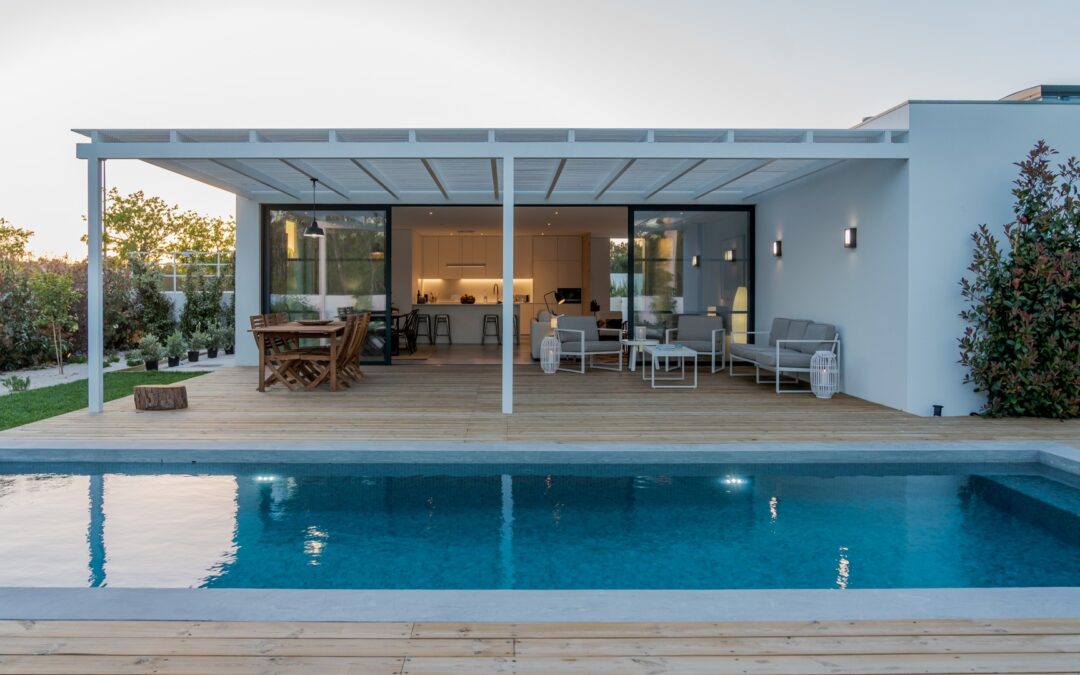
Atlanta homeowners spend serious money transforming their backyards into personal retreats. We’re talking pools, patios, landscaping, and lighting that turns ordinary yards into magazine-worthy spaces. But here’s what separates a nice backyard from an incredible one that actually increases your home’s value: outdoor kitchens and pool houses.
These features have exploded across Atlanta neighborhoods from Buckhead to Brookhaven, Vinings to Virginia Highland. Walk through any established area on a Saturday evening and you’ll smell grills firing up, hear laughter floating from covered patios, and see the glow of outdoor entertaining spaces that rival indoor living rooms. This isn’t just about keeping up with the Joneses. Smart homeowners recognize that the right outdoor additions pay dividends in daily enjoyment and resale value.
Why Atlanta’s Climate Demands Outdoor Living Spaces
Atlanta gives us roughly nine months of weather perfect for outdoor living. March through November, temperatures allow comfortable time outside with minimal adjustments. Even our winters stay mild enough that a fire pit or outdoor heater extends the season further.
This extended usability changes the value equation completely. In Chicago or Boston, outdoor kitchens sit unused for six months. Here in Atlanta, you might use yours almost year-round. That’s 250-plus days of potential use versus maybe 120 days up north. Your investment works harder and delivers more value.
Summer humidity does create challenges. Atlanta’s notorious sticky heat means you want shade and good airflow in your outdoor spaces. A well-designed outdoor kitchen with a covered roof keeps you comfortable while cooking. Pool houses with proper ventilation offer escape from the worst afternoon heat. These aren’t luxuries when temperatures hit 95 degrees with 80% humidity. They’re necessities that make outdoor living actually enjoyable.
Our spring and fall weather might be the best argument for outdoor spaces. Those perfect 70-degree days in April and October feel almost magical. You’ll use your outdoor kitchen more during these shoulder seasons than any other time. Morning coffee on the patio, lunch by the pool, dinner under the stars—all become daily routines rather than special occasions.
Outdoor Kitchen Essentials for Atlanta Homes
Starting with the basics makes sense. Every functional outdoor kitchen needs a quality grill, counter space for prep work, and storage. But Atlanta’s weather and entertaining culture push most homeowners beyond these basics pretty quickly.
The Core Components
Your grill anchors everything. Atlanta loves its BBQ culture, so most people invest in a built-in gas grill that delivers consistent results. Expect to spend $2,000 to $5,000 for a quality built-in unit. Some folks add a charcoal grill or smoker alongside the gas unit, which speaks to our Southern cooking traditions.
Counter space can’t be an afterthought. You need room to prep food, set down platters, and mix drinks. Most designers recommend at least six feet of continuous counter space adjacent to your grill. Ten feet works even better if your budget allows. Granite and concrete hold up beautifully in Atlanta’s weather and look sharp for years with minimal maintenance.
Storage solves so many problems. Cabinets protect your cooking tools, utensils, and supplies from weather and pests. Atlanta’s humidity can wreak havoc on items left exposed, so weatherproof storage becomes essential rather than optional. Stainless steel cabinets cost more but last forever. Polymer options work well too and come in at lower price points.
Upgrades That Transform the Experience
A refrigerator changes how you use your outdoor kitchen. No more running inside every time someone wants a cold drink or you need an ingredient. Outdoor-rated refrigerators handle Atlanta’s temperature swings and humidity. Plan on $1,500 to $3,000 for a quality unit that won’t quit after two summers.
Sinks add tremendous convenience. Washing hands, rinsing vegetables, and cleaning up become so much easier. You’ll need proper plumbing run to your outdoor space, which adds cost but delivers everyday value. Most Atlanta homeowners with outdoor sinks say they’d never go without one again.
Ice makers might sound excessive until you host your first party. Atlanta heat means everyone wants ice constantly. An outdoor ice maker eliminates trips inside and keeps your indoor freezer from getting raided. This upgrade particularly makes sense if you entertain frequently.
Pizza ovens have become increasingly popular across Atlanta neighborhoods. There’s something special about wood-fired pizza that regular ovens just can’t replicate. These additions run $3,000 to $10,000 depending on size and style, but they become conversation starters and party centerpieces.
Pool House Design and Function
Pool houses serve multiple purposes that justify their cost. The most basic pool house provides changing space and bathroom facilities. This alone transforms pool days by eliminating wet feet tracking through your house. But most Atlanta homeowners push beyond basics to create true entertainment spaces.
Size and Layout Considerations
Smaller pool houses run 120 to 200 square feet. This gives you a bathroom, small changing area, and maybe a kitchenette or bar. It’s enough to make pool days more convenient without dominating your yard. These compact designs work well on typical Atlanta lots that might be a half-acre or less.
Mid-size pool houses span 300 to 500 square feet. Now you’ve got room for a full bathroom, changing areas, a lounge space with seating, and a more substantial kitchenette. Some people add a bedroom or guest suite at this size. This range hits a sweet spot for many Atlanta families who want serious functionality without building a whole second house.
Large pool houses exceed 600 square feet and function as fully-equipped guest houses or entertainment pavilions. You’ll find full kitchens, multiple bathrooms, living areas, and bedrooms. Buckhead and Brookhaven estates often feature these substantial structures that could function as standalone cottages.
Essential Features
Bathrooms top the priority list. Your pool house bathroom eliminates the wet footprints problem and keeps pool guests from trekking inside. Include a shower if possible. Rinsing off before jumping in the pool or after a swim makes the whole experience more civilized. Outdoor showers work great in Atlanta’s warm climate too.
Climate control matters for year-round use. Air conditioning transforms your pool house from a summer-only structure to a space you’ll use nine or ten months yearly. Heat extends that even further. Mini-split systems work efficiently for pool houses and cost less to install than traditional HVAC.
Covered outdoor space makes the pool house exponentially more useful. A deep overhang or covered patio provides shade during brutal summer afternoons and shelter from Atlanta’s frequent afternoon thunderstorms. This covered area often gets used more than the enclosed space.
Combining Kitchens and Pool Houses
Here’s where things get really interesting. Combining your outdoor kitchen with a pool house creates a unified entertainment zone that maximizes your backyard investment. Instead of two separate projects, you build one cohesive space that serves multiple purposes.
Many Atlanta homeowners position their outdoor kitchen under the pool house’s covered patio area. This protects your cooking equipment from weather while creating a natural flow between cooking and living spaces. Guests can grab food from the kitchen area, sit at the nearby bar or table, and then cool off in the pool—all without walking more than a few steps.
The logistics work beautifully. Plumbing and electrical lines already running to the pool house can easily branch off to serve your outdoor kitchen. This reduces installation costs compared to building separate, disconnected spaces. You also need just one roof structure instead of two.
Design unity matters more than people realize. A kitchen and pool house built as one project will look cohesive. Materials, colors, and architectural style flow together naturally. When you build these features separately at different times, achieving that unified look becomes much harder and sometimes impossible.
Material Selection for Atlanta Weather
Atlanta’s weather challenges outdoor structures in specific ways. Our combination of heat, humidity, rain, and occasional ice storms demands materials that can handle everything.
Countertops and Surfaces
Granite remains the gold standard for outdoor kitchens in Atlanta. It handles temperature extremes, resists staining, and looks elegant. Expect to pay $60 to $100 per square foot installed. Granite’s durability means you’ll likely never replace it, making the investment worthwhile.
Concrete counters offer a modern aesthetic and work wonderfully in Atlanta’s climate. Properly sealed concrete resists moisture and holds up to temperature swings. Cost runs similar to granite, maybe slightly less. Some people love the custom look that concrete provides.
Avoid tile countertops if possible. Grout lines become maintenance nightmares in Atlanta’s humid climate. Mildew grows in grout, stains appear, and you’ll spend time scrubbing that you’d rather spend enjoying your space.
Cabinetry and Storage
Stainless steel cabinets cost more upfront but last forever in Atlanta weather. They don’t rust, warp, or deteriorate. Marine-grade stainless steel offers extra protection against humidity and moisture. Budget $200 to $400 per linear foot for quality stainless cabinetry.
Polymer cabinets provide a more budget-friendly option that still holds up well. Modern polymers resist moisture, won’t rot, and come in attractive finishes that mimic wood. These run $100 to $200 per linear foot and perform reliably for many years.
Wood requires extensive protection in Atlanta’s climate. Even treated wood needs regular sealing and maintenance. Most outdoor living specialists recommend against wood cabinetry unless you’re committed to ongoing upkeep.
Roofing and Structure
Your pool house and covered kitchen areas need roofing that stands up to Atlanta’s weather. Architectural shingles work well and match most home styles. Metal roofing gains popularity for its longevity and energy efficiency. Standing seam metal roofs look sharp and shed water exceptionally well during our heavy downpours.
Cedar shake creates a beautiful look but requires more maintenance in Atlanta’s humid climate. Synthetic shake products offer similar aesthetics with better weather resistance and less upkeep.
Cost Breakdown and Budget Planning
Understanding costs helps you plan realistically and avoid unpleasant surprises. Atlanta prices reflect our strong economy and construction demand, so budget generously.
Outdoor Kitchen Costs
Basic outdoor kitchens start around $15,000 to $25,000. This gets you a quality built-in grill, decent counter space, and some storage. You’ll have a functional cooking area that significantly upgrades your outdoor entertaining.
Mid-range outdoor kitchens run $30,000 to $60,000. Now you’re adding that refrigerator, sink, better materials, more counter space, and probably a bar area. This range represents where most Atlanta homeowners land when they’re serious about outdoor cooking and entertaining.
High-end outdoor kitchens exceed $75,000 and can push past $150,000 for elaborate setups. These feature premium appliances, extensive counter space, pizza ovens, multiple grills, full bars, and top-tier materials throughout. Buckhead and Ansley Park homes often sport kitchens in this range.
Pool House Costs
Small pool houses cost $40,000 to $80,000. You’ll get that bathroom, changing area, and basic amenities. Quality construction with good materials puts you toward the higher end of this range.
Mid-size pool houses run $100,000 to $200,000. This includes climate control, better finishes, more space, and enhanced functionality. Most Atlanta families building pool houses fall into this category.
Large pool houses start at $200,000 and can exceed $400,000 for substantial structures with luxury finishes. You’re essentially building a small house at this point, complete with all the amenities.
Combined Project Savings
Building your outdoor kitchen as part of your pool house project saves money. Shared infrastructure, single mobilization costs, and unified design reduce expenses by 15% to 25% compared to separate projects. A $50,000 outdoor kitchen built separately and a $120,000 pool house built later might cost $170,000 total. Building them together might run $140,000 to $145,000.
Return on Investment in Atlanta’s Market
Let’s talk about what these investments mean for your home’s value. Atlanta’s real estate market rewards well-executed outdoor living spaces, though returns vary by neighborhood and price point.
Outdoor kitchens typically return 50% to 70% of their cost at resale in Atlanta’s market. A $50,000 outdoor kitchen might add $25,000 to $35,000 to your home’s value. This doesn’t sound amazing until you factor in the years of enjoyment you get. You’re not building this purely as an investment—you’re building it to enjoy your home more fully.
Pool houses generally deliver better returns, often recovering 60% to 80% of costs. The added functionality and square footage appeal to buyers. A well-designed pool house solves problems for buyers with kids, guests, or entertainment needs.
Location dramatically affects returns. In established Intown neighborhoods like Druid Hills, Morningside, or Candler Park, buyers expect high-end outdoor spaces. Your investment competes better and returns more. In outer suburbs where outdoor amenities are less common, you might see lower returns but face less competition when selling.
The quality of execution matters tremendously. A beautifully designed, professionally installed outdoor kitchen with premium materials will return more than a cheaper DIY project. Buyers can immediately spot quality differences and will pay for them.
Design Mistakes to Avoid
Atlanta contractors see the same mistakes repeatedly. Learning from others’ errors saves you money and frustration.
Inadequate Shade and Ventilation
Building an outdoor kitchen in full sun seems fine in March. Come July, you’ll regret that decision intensely. Atlanta summer sun makes unshaded cooking spaces virtually unusable during peak afternoon hours. Plan for substantial roof coverage or retractable shade systems from the start.
Ventilation needs careful thought too. Covered outdoor kitchens without proper airflow trap heat and smoke. Ceiling fans help enormously. Some designs incorporate clerestory openings that let hot air escape while maintaining coverage.
Insufficient Electrical Planning
Outdoor spaces need more electrical capacity than people anticipate. Your grill might need a dedicated circuit. Add a refrigerator, ice maker, lighting, and multiple outlets, and you’re looking at significant electrical needs. Plan circuits generously during the design phase. Adding them later costs way more.
Poor Traffic Flow
Your outdoor kitchen and pool house need logical flow patterns. Guests should move easily between cooking areas, serving spaces, seating, and the pool. Dead ends, narrow passages, and awkward transitions frustrate everyone. Work with a designer who understands spatial flow and can create intuitive layouts.
Skimping on Storage
You need more storage than you think. Cooking equipment, pool supplies, cleaning tools, toys, and seasonal items all need homes. Built-in storage during construction costs less than adding it later or dealing with cluttered spaces.
Entertaining and Daily Use
These investments pay off every single time you use them. Atlanta’s social culture means most homeowners entertain regularly. Weekend gatherings, holiday parties, game day celebrations—your outdoor spaces become the natural venue for all of it.
Cooking outdoors during summer keeps heat out of your house. This matters more than people realize. Running your oven when it’s 90 degrees outside forces your air conditioner to work overtime. Grilling outside keeps your home comfortable and reduces energy bills.
Kids benefit tremendously from well-designed outdoor spaces. They can play freely while adults supervise from the comfort of a covered kitchen or pool house. The bathroom in your pool house means fewer interruptions and less mess tracked inside.
Daily quality of life improves in subtle ways. Morning coffee in your covered patio area. Quick lunch by the pool. Grilled dinner any night of the week without it feeling like an event. These small moments add up to significantly more enjoyable home life.
Seasonal Considerations in Atlanta
Different seasons bring different opportunities to use your outdoor spaces. Smart design accommodates this seasonal variation.
Spring in Atlanta runs mild and beautiful. You’ll use outdoor spaces constantly from March through May. Morning temperatures in the 60s climb to comfortable 70s and low 80s by afternoon. This might be peak season for outdoor living.
Summer heat demands shade, fans, and cold drinks. Your refrigerator and ice maker earn their keep from June through August. Most outdoor entertaining shifts to evenings when temperatures drop into the 80s. Good lighting becomes essential for these nighttime gatherings.
Fall rivals spring for perfect outdoor weather. September through November gives you warm days and cool evenings. Fire pits and outdoor heaters extend comfortable hours into the night. Some people claim fall as their favorite season for outdoor entertaining.
Winter in Atlanta stays mild enough for outdoor space use with minimal adjustments. A fire pit or outdoor heater makes December and January evenings pleasant. Many Atlantans continue grilling through winter, taking advantage of our typically mild temperatures.
Permitting and Regulations
Atlanta and surrounding municipalities require permits for outdoor kitchens and pool houses. Requirements vary by jurisdiction, but count on needing building permits, electrical permits, and possibly plumbing permits.
Setback requirements limit how close you can build to property lines. Most Atlanta-area jurisdictions require structures to sit at least 5 to 10 feet from side and rear property lines. Your contractor should verify local requirements before finalizing designs.
HOA approval adds another layer if you live in a community with a homeowners association. Many Atlanta neighborhoods have active HOAs that review outdoor construction projects. Submit your plans early and be prepared for potential design modifications.
Choosing the Right Contractor
Your contractor makes or breaks the project. Atlanta has many qualified outdoor living contractors, but quality varies dramatically.
Look for contractors with extensive outdoor kitchen and pool house experience specifically. Building these structures requires different skills than home building or remodeling. Ask to see multiple completed projects and talk with previous clients.
Verify licensing and insurance thoroughly. Georgia requires contractors to carry liability insurance and workers’ compensation coverage. Don’t accept verbal assurances—request certificates of insurance directly from their insurance provider.
Get detailed written proposals from at least three contractors. Compare not just total costs but also specific materials, timelines, and payment schedules. The cheapest bid rarely delivers the best value.
Communication style matters enormously. You’ll work closely with your contractor for months. Choose someone who responds promptly, answers questions clearly, and makes you feel confident in their abilities.
Making Your Decision
Deciding to invest in outdoor kitchens and pool houses comes down to how you want to use your home. These aren’t small purchases, so honest assessment of your priorities makes sense.
Think about your entertaining style. Do you host regularly or prefer quiet family time? Both scenarios benefit from good outdoor spaces, but frequent entertainers will see more value. Your investment gets used constantly rather than sitting idle.
Consider your home’s overall value. These additions make most sense when they align with your home’s price point. Adding a $100,000 pool house to a $300,000 home might over-improve the property. That same pool house on a $700,000 home fits appropriately.
Plan for long-term ownership. If you’re selling in two years, the return on investment becomes more important. If you’re staying ten years or more, focus on what makes you happiest. You’ll get tremendous use from these spaces over a decade.
Frequently Asked Questions
How long does it take to build an outdoor kitchen and pool house in Atlanta?
Most combined outdoor kitchen and pool house projects take three to five months from groundbreaking to completion. Permitting adds another month or two before construction starts. Weather can extend timelines, especially during Atlanta’s rainy spring season or occasional winter weather. Larger, more complex projects might stretch to six or seven months. Plan your project so completion happens before your preferred use season. Starting in fall or winter means everything’s ready by the following spring or summer. Experienced contractors can give you realistic timelines based on your specific project scope and current workload.
Do I need to winterize my outdoor kitchen in Atlanta?
Atlanta winters stay mild enough that full winterization usually isn’t necessary. However, you should take some precautions during occasional hard freezes. Drain water lines to prevent burst pipes when temperatures drop into the teens or lower. Cover or store cushions and fabrics to prevent mildew during damp winter months. Most appliances can stay in place with covers. Some homeowners winterize their refrigerators if they won’t use them for extended periods. The key difference from northern climates is that Atlanta’s winter preparation is minimal and temporary. You might winterize for a week or two rather than six months, which means your outdoor spaces remain mostly accessible year-round.
What’s the best orientation for an outdoor kitchen in Atlanta?
North or east-facing orientations work best for Atlanta outdoor kitchens. These directions minimize direct afternoon sun exposure during brutal summer months. West-facing kitchens cook in intense afternoon heat and sun, making them uncomfortable from June through August. South-facing kitchens get sun all day, which sounds nice but creates too much heat during cooking. If your yard layout forces a south or west orientation, compensate with extensive shade structures, ceiling fans, and possibly retractable screens or curtains. Consider prevailing breezes too. Atlanta’s typical south and southwest breezes can help with ventilation. Work with a designer who understands local climate patterns and can position your outdoor kitchen for maximum comfort throughout our long outdoor season.